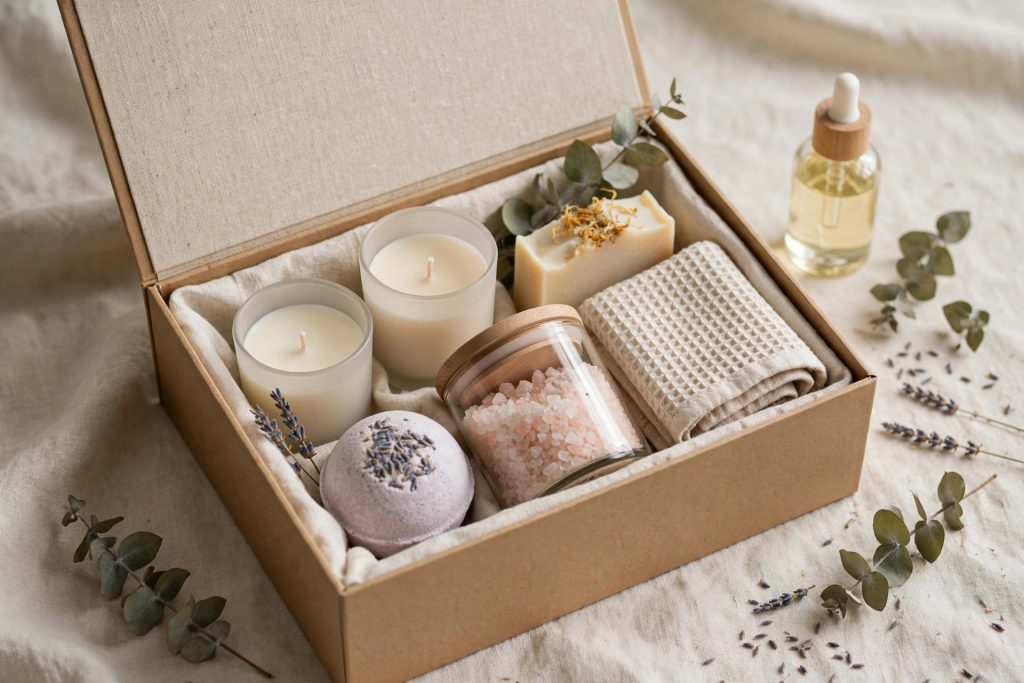
Everyone has one person on their list who defeats gift-giving entirely. They have a good income, clear tastes, and a habit of simply buying whatever they want the moment they want it. Ask them what they would like and they smile and say they do not need a thing, which is true and completely unhelpful. Their home is full, their hobbies are fully equipped, and every obvious idea, the book, the gadget, the bottle, the cosy thing, has either been done by you in a previous year or done by them last Tuesday. The mistake is to keep hunting for an object they lack. People like this do not lack objects. What they lack, like everyone else, is time, new experiences, and the small luxuries they would never justify buying for themselves. Aim your gift at one of those, and the problem dissolves.
Start with experiences, because they leave memories instead of clutter. Tickets to something they love but rarely organise for themselves, a concert, a play, a match, an exhibition, land especially well when you go with them, turning the gift into time together rather than a voucher in an envelope. A class is another strong choice: cooking, pottery, photography, a language taster, a driving experience, something adjacent to an interest they already have but have never explored properly. Choose a real date or a very easy booking process, because an experience that requires six emails to arrange quietly becomes homework. Done well, this is the gift category people talk about a year later, which no one has ever said about a scented candle.
Second, think in consumables, the excellent things that get used up. A person who has everything still runs out of the good coffee, the nice olive oil, the favourite tea, the quality chocolate, the bath oil, the notebook they actually write in. The trick is to buy the upgraded version of something they already consume, the small-batch, single-origin, beautifully made edition that they would enjoy every day but would feel extravagant purchasing for themselves. Consumables respect a full house. They ask for no shelf, no storage, and no polite display, and they deliver their pleasure in the ordinary weeks after the celebration, which is when most gifts have already been forgotten.
Third, consider upgrading or completing something they already love rather than starting them on anything new. The keen cook may have every pan but not the excellent knife sharpener, the gardener every tool but not the really good gloves, the reader every book but not the beautiful reading light or the first edition by their favourite author. A thoughtful accessory to an established passion shows close observation, and close observation is what great gifts are actually made of. This includes services attached to their possessions: having a beloved watch serviced, a favourite painting framed properly, an old family photograph restored. You are not adding clutter. You are returning something they treasure in better condition than it left.
Fourth, give your own time and skill in a form that is genuinely generous. Cook them a proper meal, at your home or theirs. Offer a weekend of the help they never ask for: gardening, decorating, organising the garage, setting up the new computer properly. Make the offer specific and dated rather than a vague promise, because vague promises are just cards. For older relatives especially, an afternoon of company with photographs to look through, stories to record, and no agenda at all can be the gift that outranks everything bought. Time is the one thing the person who has everything cannot purchase more of, which is exactly why giving yours carries weight.
There are also two elegant exits when the relationship suits them. A donation to a cause they truly care about, made in their name and mentioned simply, suits people who actively dislike receiving things, and it must be their cause, not yours, or it becomes a lecture wrapped as a present. And for the person who insists on nothing, take them at their word gracefully and shift the generosity: a handwritten letter saying what they mean to you, delivered with flowers or something homemade, honours their wishes while refusing to let the occasion pass unmarked.
Whatever you choose, wrap it in evidence that you know them. The note matters as much as the item with this kind of recipient, because what they are really receiving is proof that someone pays attention. The person who has everything does not need your money spent impressively. They need the small, specific delight of being understood, and that, fortunately, cannot be bought by them in advance.